
Six technologies, one goal: XR you can trust
The technologies
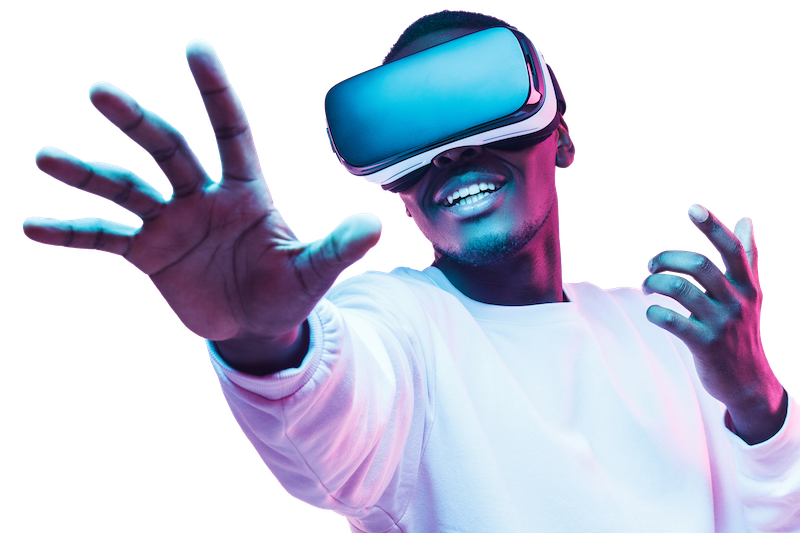
The six building blocks work together, from the sensors worn on the body to the AI that decides what to tell you and when.
At the centre of VICTOR-XR is a continuous cycle we call the Ground–Update–Loop. It's the mechanism that keeps a digital twin faithful to the real world: sensors observe what's actually happening, the system compares this to what the digital twin currently shows, and any difference triggers an update, in real time, not after the fact.
This is what Virtual–Physical Consistency looks like in practice: not a static 3D model, but a living one that never drifts far from reality.
A digital twin is a virtual replica of something physical, a production line, a robot cell, a patient's movement pattern. In VICTOR-XR, digital twins are built to industry standards (such as ISO 23247) so they can be shared, reused and connected to existing enterprise systems, rather than locked inside one vendor's software.
People don't experience the world through one sense at a time, and neither should XR. VICTOR-XR combines several channels into a single, coherent interaction:
- Vision: ultra-fast eye and gaze tracking built into smart glasses, so the system knows what you're looking at without extra controllers.
- Gesture: a wristband that reads muscle activity (EMG/MMG) to recognise hand and finger movements, even without cameras.
- Touch: miniature haptic actuators and a sensing glove that lets you feel contact, stiffness and texture in a virtual scene.
- Speech and audio — low-power, on-device voice interaction that works even in noisy factories, plus spatial audio cues.
- Bio-signals: optional physiological sensing used to understand fatigue, stress or engagement, always with privacy safeguards.
These streams are fused on-device by lightweight AI, so the system responds in well under a tenth of a second, fast enough to feel natural.
Rather than automating decisions away from people, VICTOR-XR gives users a cognitive co-pilot: an AI assistant that watches the same scene sensors observe, and offers timely, explainable guidance, a warning, a suggestion, a step-by-step prompt, always with a reason attached, never a silent command.
The co-pilot also reads the user's state, whether someone looks confused, fatigued or confident, and adapts its tone and pace accordingly. It is designed to be a transparent assistant that a factory operator or a patient can genuinely trust, not an opaque black box.
Underneath all of this sits an open, modular middleware layer - the technical backbone connecting XR devices, digital twins and existing IT systems (such as manufacturing execution systems in a factory, or health records in a hospital). It is built around open standards (OpenXR, ISO 23247) precisely so that no organisation adopting VICTOR-XR's results gets locked into a single supplier.
Every session captured by VICTOR-XR, an assembly task, a therapy exercise, a discrepancy caught and corrected, can be converted into training material. A low-code authoring toolkit lets trainers build XR learning modules without writing software, turning operational data into gamified lessons and recognised digital micro-credentials.
The Pilots
Automotive Manufacturing
Partner: Brembo
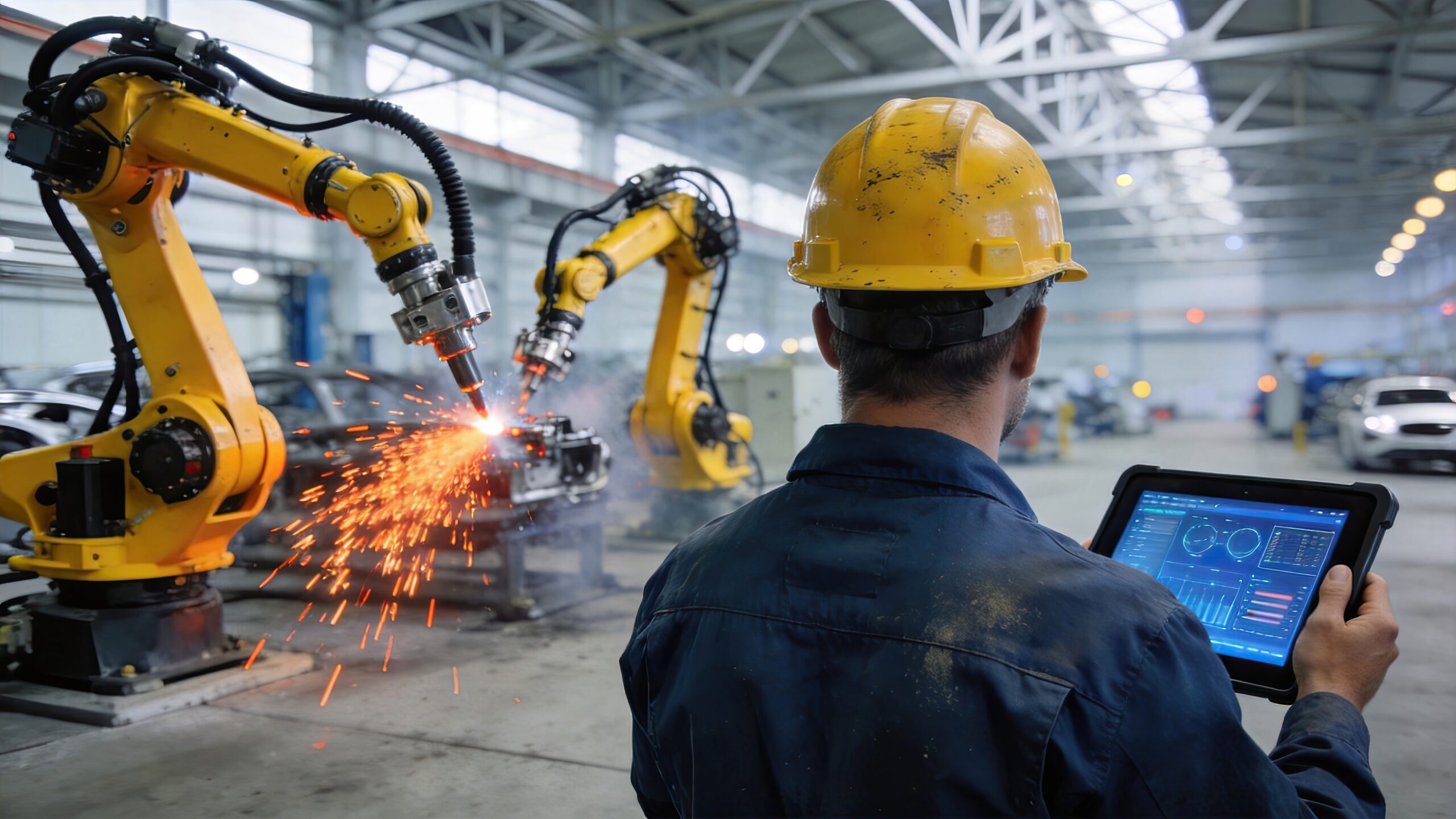
Before a new braking component reaches the production line, engineers need to catch design and assembly problems early, ideally before a single physical prototype is built. In this pilot, engineers and operators interact with a high-fidelity digital twin of the product and process through XR, spotting tolerance issues, awkward assembly steps or safety risks while everything is still virtual.
The pilot moves through three stages: a controlled trial with a small team of engineers, then a line-side trial with 15–20 operators working against real physical builds, and finally an extended comparison between the XR-first and prototype-first approaches, measured in first-time-right rate, rework, and time saved.
Expected outcomes
- Earlier detection of design and assembly issues
- Fewer errors carried into physical production
- Faster production planning, with credential-ready training built directly from the pilot
Human–Robot Collaboration
Partner: Masmec
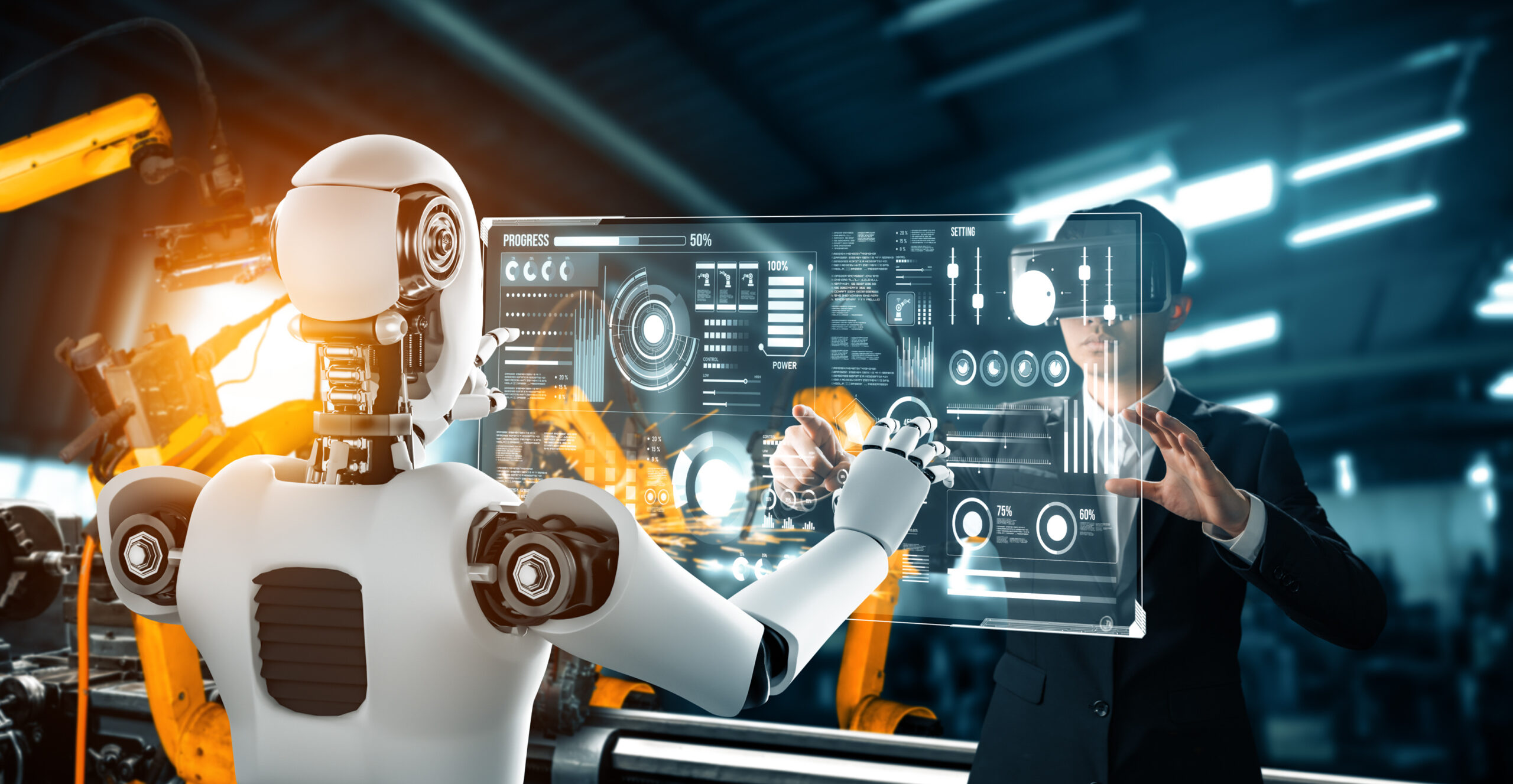
Working safely and efficiently next to a collaborative robot (cobot) requires operators to understand, moment by moment, what the robot intends to do. This pilot equips a cobot assembly cell with XR guidance that visualises the robot's next move, keeps the human and robot's actions in sync, and continuously monitors ergonomics.
It follows the same staged approach: safety dry-runs with a small team, then feasibility trials with 10–15 operators across different task variants, and finally extended validation measuring cycle-time stability, first-pass quality, and near-miss reduction.
Expected outcomes
- Better ergonomics, with measurable reduction in high-risk postures
- Safer, more predictable human–robot collaboration
- Faster changeovers between production variants
Clinical Rehabilitation
Partner: DFKI, UJI, VHIR
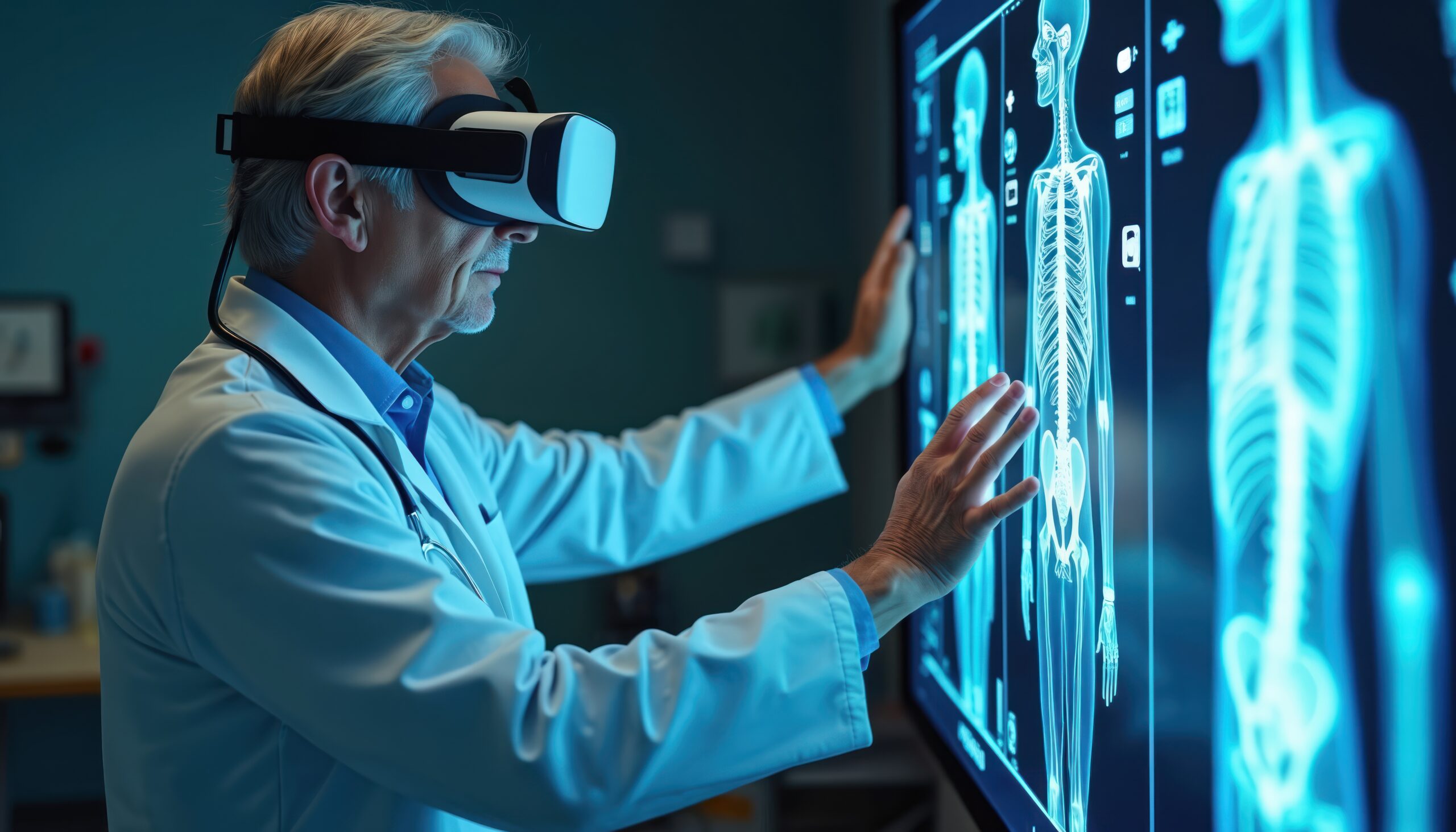
For patients recovering from chronic musculoskeletal pain, consistent exercise is one of the hardest parts of therapy — especially outside the clinic. This pilot lets patients carry out personalised rehabilitation exercises through XR, with the system monitoring their movement and giving empathetic, encouraging feedback in real time. Therapists stay in the loop, reviewing progress remotely and adjusting the programme as needed.
The clinical protocol runs in three phases: usability testing with a small group of patients, a feasibility study with at least 30 patients at Vall d'Hebron's rehabilitation unit, and an extended evaluation of therapeutic outcomes, adherence and patient satisfaction.
Expected outcomes
- Higher adherence to prescribed therapy
- Personalised care that adapts to each patient's progress
- Continuous, remote supervision by clinicians without requiring a hospital visit for every session